Ocimum tenuiflorum is the scientific name of the tulsi plant. Tulsi plant is well known not only for India but also for all over the world. It is called as queen of herbs and holy basil for its medicinal properties. In Hindu mythology, tulsi is considered a manifestation of Goddess Lakshmi and sacred plant of Hindu family.
The women in a Hindu family worship the Tulsi plant and water it in the morning and evening. Chewing tulsi leave in empty stomach.
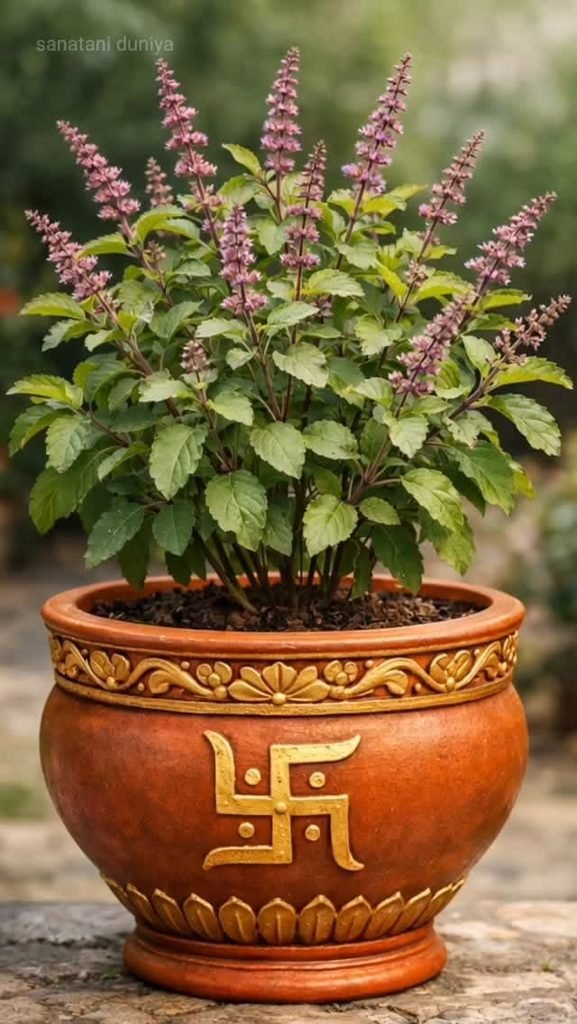
Table of Contents
Structure of Tulsi Plant
Root: Tap root system, branched, grows deep to absorb water.
Stem: Square-shaped (quadrangular) stem, branched, slightly hairy, green to purplish.
Leaf: Simple,ovate shape. Strong aromatic smell due to essential oils. Green or purple-tinged.
Flower: Small purplish-white flowers arranged in a terminal raceme (called manjari). Flowers are bisexual.
Fruit / Seed: Small nutlets containing seeds, formed after flowering. Blackish-brown in colour.6. Height: 30-60 cm tall, bushy herb/shrub.
Type of Tulsi Plant
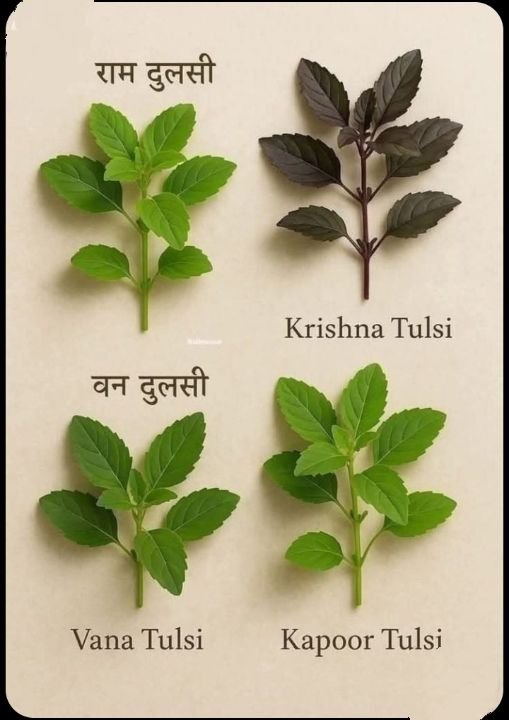
- Ram Tulsi
- Krishna Tulsi
- Kapoor Tulsi
- Van Tulsi
5 Benefit of tulsi leave
1. Boost Immunue System
Tulsi Leaves contain vitamin-C, zinc, anti-viral, anti-oxidant and anti-microbial properties. These properties of tulsi leave helps us to fight with harmful bacteria, virus. It’s chemical properties like Ursolic acid and Eugenol help to combat the common cold , cough, fever and improve our immune system.
2. Stress Management
Tulsi leaves maintence strees hormone in the body. Tulsi , known as Holy Basil, is a powerful adaptogen that helps the body manage stress naturally. It regulates cortisol, the stress hormone, reducing anxiety, mental fatigue, and irritability. Drinking tulsi tea twice daily calms the nervous system and improves mood without causing drowsiness. Chewing 4-5 fresh leaves in the morning also promotes mental clarity and emotional balance.Rich in eugenol and ursolic acid, tulsi protects the brain from oxidative stress and supports better sleep. Regular use builds resilience against daily pressure. For best results, combine tulsi with deep breathing.
3.Regulate Diabetes
Tulsi leaves may help manage diabetes naturally. They contain compounds like eugenol and ursolic acid that improve insulin sensitivity and help regulate blood sugar levels.Chewing 4-5 fresh tulsi leaves daily on an empty stomach or drinking tulsi tea can reduce fasting blood glucose. Its antioxidants also protect pancreatic cells and reduce oxidative stress, a common issue in diabetics.Tulsi also helps lower stress-related cortisol, which often spikes sugar levels. However, it is not a replacement for medicine. Diabetic patients should consult a doctor before regular use, especially if taking blood sugar-lowering drugs, to avoid hypoglycemia.
4. Skin
Tulsi leave has rich in anti-oxidant properties. Tulsi leaves are a natural blessing for healthy, glowing skin. Their antibacterial and anti-inflammatory properties help fight acne, pimples, and skin infections effectively.Tulsi purifies blood, which reduces breakouts and clears blemishes from within. Its antioxidants fight free radicals, preventing premature aging, wrinkles, and dark spots.Applying tulsi leaf paste with honey or rose water soothes irritation and brightens complexion. Tulsi also controls excess oil and tightens pores.Regular use of tulsi in face packs or as tulsi water toner keeps skin clear, fresh, and naturally radiant.
5. Improve Digestion
Tulsi leave contain anti-oxidant and anti-inflammatory propertie, which help us to release gas and acidity from our body and improve the digestion system. It increase appetite system and make to powerful gastrointestinal system and control indigestion.
Q1-How many tulsi leaves eat per day
Ans: Eat 4-5 fresh tulsi in empty stomach.
Q2.Can we boil Tulsi leaves in water and drink?
Ans: Yes you can drink tulsi tea or hot water.
Pingback: Amazing 5 benefit of morning walk - AurFit